Product designerand much more

I design architecture and work on product tasks every day, build design processes, help shape features and see solutions through to implementation. I use AI as a full-fledged working tool along the whole way — from idea and research to design, prototyping and code

  • Product design
  • Building processes around design
  • AI adoption
  • Analytics and competitor research
  • Leading the team and raising its efficiency
  • Building design systems
Vadim Pianov

2024–2026

Alfa-Bank

A short case summary: what the problem was, what I did and what it led to

2023–2024

iGaming

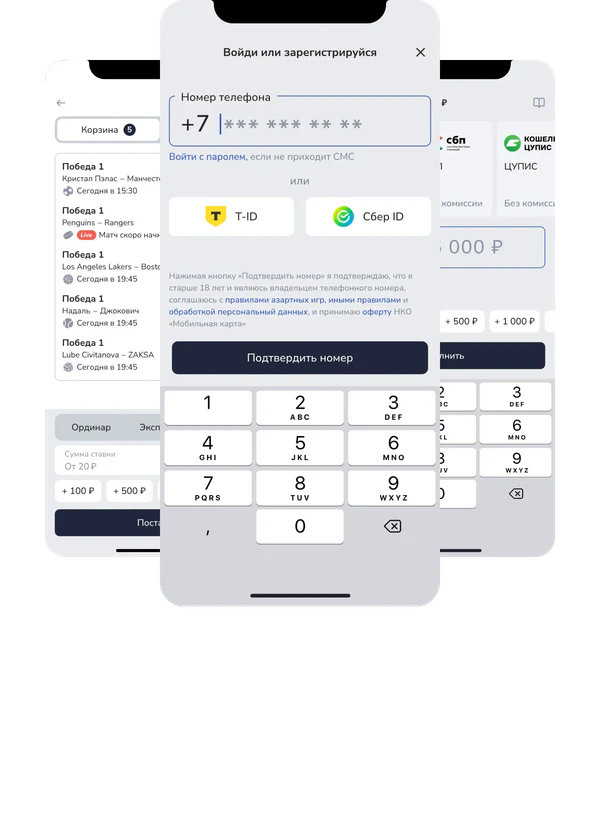
Built the design process and reworked the key revenue flows — lifting conversion to completed registration and first deposit by 48% and 44% respectively

2022–2023

Quantori

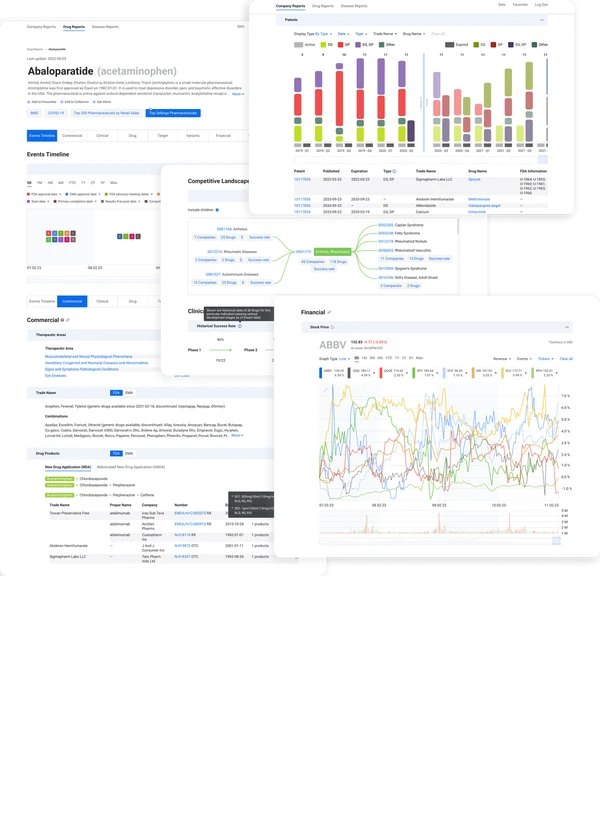
Built a design system from 150+ reports on 9,770 drugs and unified FDA and EMA data — analysts now work 41 minutes without a break instead of 27, and the SUS usability score rose from 52 to 81

2020–2022

Metr Kvadratny

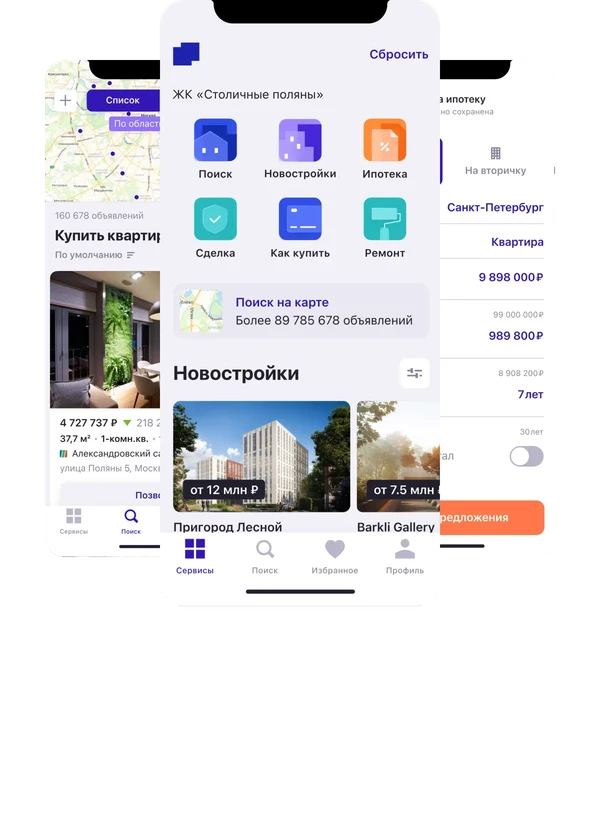
Brought five disparate real-estate services into one ecosystem and shipped the MVP in 4 months — cut the mortgage form by 40% and lifted retention by 27%

2019–2020

MAPS.ME

Led design, launched the website and apps and built the Parity crypto service into Maps.me

2018–2019

BelkaCar

Redesigned a top car sharing website and apps based on support feedback and UX tests

2017–2018

Revo Technologies

Designed buy-now-pay-later flows on partner websites, from choosing a product to payment

2015–2017

Hyperboloid Agency

Shaped product strategy and design for agency clients, from research to interfaces

2014–2015

Liga Stavok

Redesigned the iOS and Android apps of a major bookmaker based on market analysis

2012–2014

LEXION development

Refreshed a residential developer’s websites: studied competitors and rebuilt project pages

About me

Over the years I’ve worked with leading product companies, startups and agencies in completely different areas — carsharing, betting, construction, banks and crypto banks, real estate.

In my practice I hold that a designer must be a team player — it’s very effective. I communicate a lot with the product team, always try to help and find the best solution to the problem.

Of course, it’s always nice to get a precise brief with all the artefacts, but in general it’s not critical for me. I have strong analytical skills and can always find the information I need.

I use analytics and user tests, which I run myself by talking directly to users. And if the company doesn’t have these tools yet, I study the market’s best practices, apply the LEAN methodology and launch an MVP to test hypotheses. This is especially relevant for startups
Industry roast

2023–2024

Transforming a product through revenue scenarios

  • Betting
  • iOS/Android & Mobile web

I joined the project in the middle of a large-scale transformation: the business expected systemic change, not cosmetic tweaks. At the same time the company had no design culture — a designer was seen as just a pair of hands. There was no shared visual language either: every platform — mobile products, web and CRM — had its own UI and its own logic.

Drawing on my experience in betting, I focused on reworking the key revenue scenarios:

  • Registration — the first point of churn and the start of LTV
  • Deposit — conversion into a paying user
  • Bet slip — the decision point and growth of the average bet

I had several goals:

  • Increase conversion in the key revenue scenarios
  • Build design processes that make design the centre of product thinking, not just the visual implementation
  • Rework the user experience on mobile platforms and bring it under a single UI to speed up the development of new features
  • Working within existing legacy
  • Stakeholder communication
  • Running product sessions
  • Analytics research
  • Mentoring

Registration: before and after

Before

The “old” registration was a long quest: several screens of mandatory fields — citizenship, date of birth, promo code, phone, email, password and SMS confirmation. Many of them weren’t needed at sign-up: the promo code could be entered in the account area, the date of birth during identity verification, and citizenship replaced with residency.

Registration took more than two minutes, and up to five together with identity verification. According to industry data, every extra step cuts conversion by 7%, and the drop-off rate can reach 40%. Meanwhile, 70% of new users were already verified with TsUPIS (the Russian betting regulator’s registry) — all they needed was a fast sign-up. The other 30% were new to betting and had to go through identity verification from scratch — for them, the key was to make that path clear

Mind map of the old registration
Registration in the appIdentity confirmation / VerificationSimplified — with limitsFull — no limits>2 min>3 min>2 min<2 min<2 min70% of users had alreadybeen verifiedin TsUPIS30% of new, unique userscame to the app unableto place a bet: identityverification was requiredCitizenshipDate of birthPromo codePhoneEmailPasswordPhone confirmation via SMSVia the in-app formVia GosuslugiVia T-ID in the bank appVia Sber ID in the bank appVisit a betting clubDepositDeposit
Old registration screens
Registration (in Russian): citizenship, phone, date of birth, email, password, promo code and consentsPhone confirmation (in Russian): SMS codeIdentity verification (in Russian): via Gosuslugi, T-Bank, Sber ID or at a betting shop

After

After studying competitors and adjacent industries, I initiated the development of sign-up via bank ID. The user confirms their details in the bank’s app and returns to the product already verified — no manual form filling. On the prototype, registration and identity verification time dropped from 5 minutes to 1–2, and according to the providers, this kind of sign-in lifts conversion by 15–25%.

Instead of a login and password, we built sign-in by phone number — the familiar flow from most popular apps. The user enters their number, gets an SMS code and is in within 10–20 seconds. Research shows that up to 15% of support requests are about password recovery; OTP sign-in reduces that flow and speeds up access

Mind map of the new registration
Diagram of the new registration (in Russian): sign-in via T-ID, Sber ID or phone number, registration and verification in one step — under two minutes to the first deposit
New registration screens
Sign in or sign up (in Russian): phone number, T-ID or Sber IDSMS code (in Russian)Identity verification (in Russian): Gosuslugi, T-Bank, Sber ID or an online form

More about the process

It sounds simple, but there was a lot of work behind it. We held more than 30 meetings with the business analyst, bank teams and TsUPIS. We went through dozens of pages of technical documentation, the APIs and the backend and regulatory constraints, and together with the developers figured out how the old registration worked. I then cross-checked the mind map against behavioural analytics and tested hypotheses on historical data, and we agreed on the final vision with the product team and stakeholders.

I built a process grounded in design thinking principles and brought the whole team into it — product managers, analytics, development, marketing and business. For every feature we aligned hypotheses and success metrics, identified risks and technical constraints, defined the MVP and priorities, and recorded artefacts and ownership. That means less rework and faster decisions: design isn’t just “handed off to development” — the team shares responsibility for the metrics and the result

Part of the user flow diagram (in Russian): sign-in, registration and identity verification

Having studied every nuance and built the mind map, we moved on to designing user scenarios

We designed lots of modal windows

… For every occasion, so to speak

Modal windows (in Russian): free bet for signing up, no connection, section unavailable, app restart, SMS limit, contacting support, deposit, visiting a club, data being processed, changing the phone number

I delivered on the goals

Conversion to registration and deposit went up

  1. 100%

    Started registration

  2. 68.6%

    Entered the
    SMS code

  3. 55.11%

    Went on to verification

  4. 21.67%

    Deposited right away

  5. 19.16%

    Placed a bet within 10 minutes

  1. 100%

    Entered a phone number

  2. 93.45%

    Entered the
    SMS code

  3. 81.76%

    Went on to verification

  4. 31.11%

    Deposited right away

  5. 27.69%

    Placed a bet within 10 minutes

In 3 months we rebuilt registration: studied TsUPIS requirements and constraints. United the team around one goal — higher conversion, and shipped the app to the stores.

I focused on simplification and growth:

  • Cut the number of mandatory steps and moved secondary data into the signed-in area
  • Removed everything that restricted access to betting
  • Built one-click registration for 70% of new app users and simplified identity verification for the 30% who were new to the industry
  • Reduced registration time from over two minutes to under one
  • Cut drop-off before verification by 2.5×
  • Increased conversion to completed registration and first deposit by 26.7 and 9.4 percentage points respectively
  • Reduced the load on support thanks to a clearer, simpler flow

This wasn’t just a registration redesign. It was a shift from a formal compliance process to a product model, where registration stops being a barrier and becomes the entry point to the product.

As always, I produced a full set of design artefacts — CJM, user flows, prototypes, error scenarios and edge cases — which removed uncertainty in development and sped up delivery

Case in progress